Electric vs Gas vs Induction Cooktops: A Practical Guide for Everyday Home Cooks
Fri Jun 19 2026
- Cooking Appliances
- Home Appliance Buying Guides
- Appliance Comparisons
If you're comparing electric cooktops, gas cooktops, and induction cooktops, the best choice depends on how you cook, your kitchen setup, your budget, and what features matter most to your household. Induction cooktops are typically the fastest and most energy-efficient, gas cooktops offer precise flame control, and electric cooktops provide reliable performance with straightforward installation.
Whether you're remodeling your kitchen, replacing an aging cooktop, or simply exploring your options, understanding the differences between these three cooking technologies can help you make a confident decision.
If you're currently shopping for a new cooktop, Jetson TV & Appliance offers a wide selection of cooktops, including electric, gas, and induction models designed for every cooking style.
Key Takeaways: Electric vs Gas vs Induction Cooktops
-
Induction cooktops are the fastest and most energy-efficient cooking technology available today.
-
Gas cooktops remain popular among passionate home cooks because of their responsive flame control.
-
Electric cooktops offer excellent value and straightforward installation.
-
Safety, cookware compatibility, utility costs, and cooking habits should all influence your decision.
-
Florida homeowners increasingly consider induction because of energy efficiency and kitchen comfort benefits.
-
The best cooktop is the one that matches your cooking style, household needs, and long-term goals.
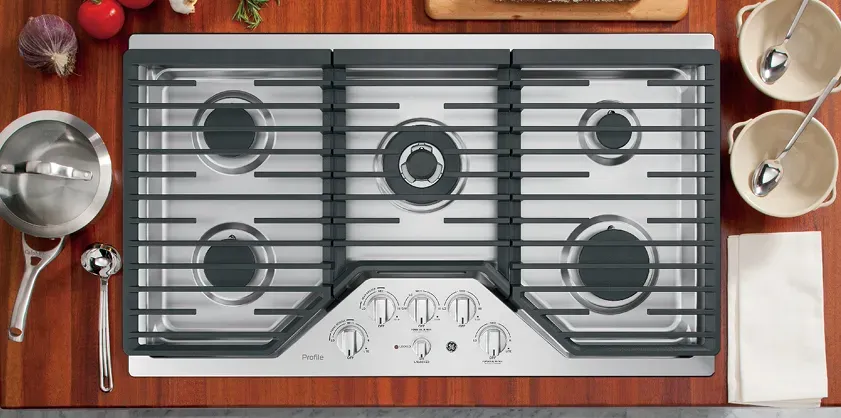
Quick Comparison: Electric vs Induction vs Gas Cooktops
| Feature | Induction | Gas | Electric |
|---|---|---|---|
| Heating Speed | Fastest | Fast | Moderate |
| Energy Efficiency | Excellent | Lowest | Good |
| Temperature Precision | Excellent | Excellent | Good |
| Surface Safety | Excellent | Moderate | Moderate |
| Easy Cleanup | Excellent | Moderate | Excellent |
| Cookware Requirements | Magnetic cookware required | Any cookware | Most cookware |
| Installation Complexity | Moderate | Highest | Lowest |
| Indoor Heat Produced | Lowest | Highest | Moderate |
| Operating Cost | Low | Moderate | Moderate |
What Is the Difference Between Electric, Gas, and Induction Cooktops?
The biggest difference is how they generate heat.
Electric Cooktops
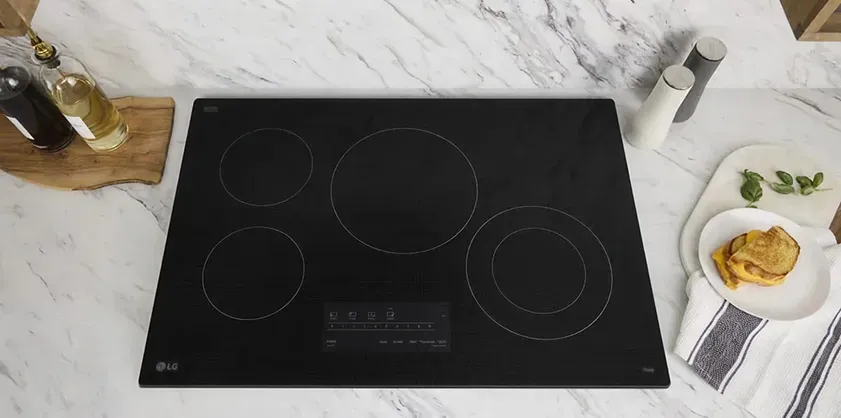
Electric cooktops use heating elements located beneath a glass or ceramic surface. The surface heats up and transfers heat into the cookware.
Gas Cooktops
Gas cooktops use an open flame powered by natural gas or propane. The flame directly heats cookware and allows users to visually monitor heat levels.
Induction Cooktops
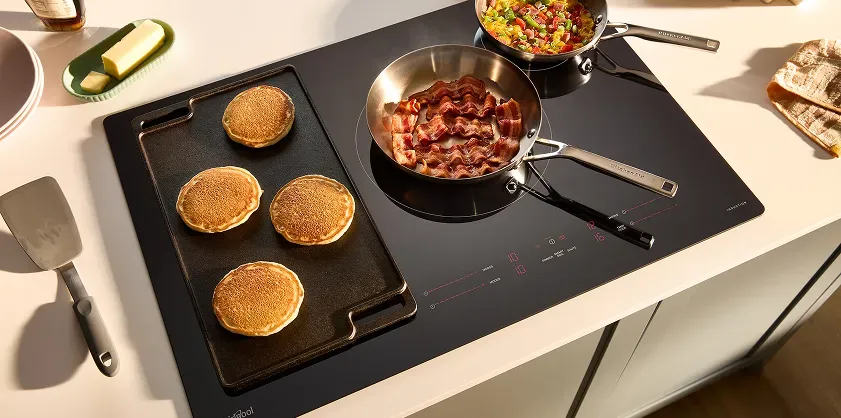
Induction cooktops use electromagnetic energy to heat cookware directly rather than heating the cooking surface itself.
Because the cookware becomes the heat source, induction cooking is extremely fast, responsive, and efficient.
Which Cooktop Heats Food the Fastest?
For households that value speed, induction is the clear winner.
Heat Speed Comparison
| Cooking Task | Induction | Gas | Electric |
|---|---|---|---|
| Boil 6 Cups of Water | Fastest | Moderate | Slower |
| Bring Large Pot to Simmer | Fastest | Fast | Moderate |
| Temperature Changes | Immediate | Very Fast | Slower |
Actual boil and heating times may vary significantly based on appliance specifications, cookware material and size, starting water temperature, elevation, and cooking environment.
Why Induction Is Faster
Induction transfers energy directly into the cookware without wasting heat into the surrounding air. This means:
-
Faster boiling
-
Quicker preheating
-
Better responsiveness
-
Less energy loss
For busy families preparing meals during weeknights, this time savings can add up quickly.
Which Cooktop Is Most Energy Efficient?
Induction cooktops are widely considered the most energy-efficient cooking technology available compared to electric and gas cooktops.
Energy Efficiency Comparison
| Cooktop Type | Relative Efficiency |
|---|---|
| Induction | Highest |
| Electric | Moderate to High |
| Gas | Lowest |
Induction cooktops are generally considered more energy-efficient because they heat cookware directly. Electric cooktops are typically more efficient than gas, while gas cooktops lose more heat to the surrounding air during cooking.
According to the U.S. Department of Energy, induction appliances are up to three times more efficient than gas stoves and up to 10% more efficient than conventional smoothtop electric ranges.
This can be particularly beneficial in Florida, where homeowners often look for ways to reduce indoor heat gain and lower cooling costs.
Why More Homeowners Are Considering Induction
Induction has become one of the fastest-growing appliance categories because it solves several common frustrations homeowners experience with traditional cooking methods.
Benefits of Induction Cooking
-
Extremely fast cooking performance
-
Precise temperature control
-
Easy-to-clean surface
-
Improved kitchen comfort
-
Enhanced safety features
-
Energy efficiency
-
Sleek modern appearance
As more manufacturers expand their induction offerings, homeowners now have more choices across various price points than ever before.
Why Many Serious Home Cooks Still Prefer Gas
Despite the growth of induction, gas remains a favorite among many experienced cooks.
Benefits of Gas Cooktops
-
Instant visual flame control
-
Works with virtually any cookware
-
Familiar cooking experience
-
Excellent for sautéing and high-heat cooking
Many chefs appreciate the ability to instantly see and adjust flame intensity during cooking.
Gas cooktops are generally best for:
-
Passionate home cooks
-
Frequent entertainers
-
Households already connected to natural gas
-
Users who prefer traditional cooking methods
Why Electric Cooktops Continue to Be Popular
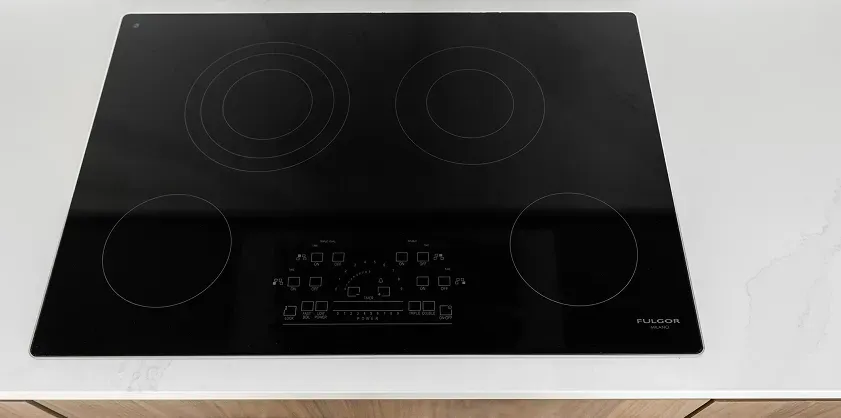
Electric cooktops often receive less attention than gas and induction, but they remain an excellent choice for many households.
Benefits of Electric Cooktops
-
Lower purchase cost
-
Straightforward installation
-
Smooth cooking surface
-
Consistent heating
-
Easy maintenance
Electric cooktops often represent the best value for homeowners seeking modern aesthetics without the higher cost of induction.
Electric cooktops are generally best for:
-
Budget-conscious buyers
-
Rental properties
-
Vacation homes
-
Standard kitchen upgrades
Cooktop Safety Comparison: Which Cooktop Is Safest?
Safety is one of the most important factors homeowners consider when choosing between induction, gas, and electric cooktops. While all three cooking technologies can be used safely when operated correctly, each offers different advantages and considerations.
Induction Cooktop Safety Considerations
One of induction's most unique safety advantages is that the cooking surface itself does not generate heat in the same way as a traditional electric or gas cooktop.
Instead, induction transfers energy directly into compatible cookware. The pan becomes hot, but the surrounding cooking surface remains significantly cooler than traditional cooking methods.
Because heat is generated in the cookware itself:
-
There is no open flame.
-
Less residual heat remains on the cooktop after cooking.
-
Accidental contact with the cooking surface may present a lower burn risk than traditional electric or gas burners.
-
Spills are less likely to bake onto the surface because the glass remains cooler.
This benefit is especially appealing to households with young children, pets, or homeowners seeking additional kitchen safety.
Gas Cooktop Safety Considerations
Gas cooktops provide responsive cooking performance, but they require greater awareness during operation because they use an open flame. The visible flame allows cooks to easily monitor heat levels, but it also introduces additional considerations related to burns, ventilation, and fire safety.
Proper installation, regular maintenance, and adequate kitchen ventilation are important for safe gas cooking. Homeowners should also ensure burners are functioning correctly and that gas connections are inspected periodically. When used responsibly, gas cooktops are extremely reliable, but they typically require more attention than induction or electric alternatives.
Electric Cooktop Safety Considerations
Electric cooktops eliminate the open flame associated with gas cooking, making them a popular option for many households. However, unlike induction, the cooking surface itself becomes hot during operation and can remain hot for several minutes after cooking is complete.
Many modern electric cooktops include residual heat indicators that alert users when the surface is still hot. These safety features help reduce accidental contact, but homeowners should still exercise caution around recently used cooking zones. For many households, electric cooktops provide a comfortable middle ground between the familiarity of gas and the advanced safety features of induction.
What Cookware Works With Each Cooktop Type?
Cookware compatibility is an important factor when choosing between electric, induction, and gas cooktops. While some cooking technologies work with virtually any pot or pan, others require specific materials to function properly.
Before investing in a new cooktop, it's worth understanding whether your current cookware collection will work with your preferred cooking technology.
Cookware Compatibility for Gas Cooktops
Gas cooktops offer the greatest cookware flexibility because the flame heats the cookware directly. Almost any type of cookware can be used on a gas cooking surface, making it an attractive option for homeowners who already own a diverse collection of pots and pans.
Compatible cookware includes:
-
Stainless steel
-
Cast iron
-
Aluminum
-
Copper
-
Ceramic
-
Carbon steel
-
Enamel-coated cookware
Because gas burners distribute heat through an open flame, cookware material matters less than with other cooking technologies. This flexibility is one reason many experienced home cooks continue to prefer gas cooking.
Cookware Compatibility for Electric Cooktops
Electric cooktops are compatible with most cookware materials, but flat-bottom cookware generally performs best because it maintains consistent contact with the cooking surface.
Popular cookware options include:
-
Stainless steel
-
Cast iron
-
Hard-anodized aluminum
-
Ceramic cookware
-
Enamel-coated cookware
For smooth-top electric cooktops, manufacturers often recommend avoiding warped cookware because uneven bottoms can reduce heating efficiency and cooking performance. Flat, stable cookware typically provides the most consistent results.
Cookware Compatibility for Induction Cooktops
Induction cooktops require magnetic cookware because induction technology uses electromagnetic energy to heat the pan directly. If cookware is not magnetic, the induction burner will not activate.
Compatible cookware typically includes:
-
Cast iron
-
Enameled cast iron
-
Magnetic stainless steel
-
Some induction-ready cookware collections
Not all stainless steel cookware works with induction, and materials such as aluminum, copper, and glass generally require a magnetic induction-compatible base to function properly.
A simple way to test compatibility is with a household magnet. If a magnet sticks firmly to the bottom of the cookware, it will usually work on an induction cooktop.
Do You Need New Cookware for Induction?
Not necessarily. Many homeowners already own induction-compatible cookware without realizing it, particularly if they use cast iron or magnetic stainless steel cookware.
Before purchasing new cookware, test your existing pots and pans with a magnet. If most of your cookware is already compatible, transitioning to induction may be easier and more affordable than expected.
For homeowners who do need new cookware, many manufacturers now offer induction-ready collections designed specifically for modern induction cooking surfaces.
How to Tell if Your Cookware Works on Induction
Most modern cookware manufacturers place compatibility symbols on the bottom of their products.
Look for icons that indicate compatibility with:
-
Induction cooktops
-
Gas cooktops
-
Electric cooktops
-
Ceramic cooking surfaces
If your cookware includes an induction-compatible symbol, it will work on an induction cooktop.
If you're unsure, a simple magnet test can provide additional confirmation. In most cases, cookware that attracts a magnet strongly will work with induction technology.
Checking the manufacturer's compatibility symbols is often the quickest and most reliable method.
Where Does Dual-Fuel Cooking Fit In?
While most homeowners compare electric, induction, and gas cooktops, some shoppers may also want to consider dual-fuel cooking appliances.
A dual-fuel range combines a gas cooktop with an electric oven, allowing homeowners to enjoy the responsive heat control of gas burners while benefiting from the even baking performance of an electric oven.
Dual-fuel ranges are often popular among serious home cooks because they combine two cooking technologies into a single appliance. While they typically cost more than traditional gas or electric ranges, many homeowners view them as a premium solution that offers the best of both worlds.
For shoppers considering a full kitchen upgrade, dual-fuel may be worth exploring alongside gas, electric, and induction options.
Which Cooktop Is Best for Florida Homes?
The answer depends on your priorities.
Choose induction if:
-
Energy efficiency is important.
-
You want the fastest cooking performance.
-
Safety is a top concern.
-
You want a cooler kitchen environment.
Choose gas if:
-
You prefer flame cooking.
-
You frequently cook complex meals.
-
You already have a gas connection.
Choose electric if:
-
Budget is your primary concern.
-
You want simple installation.
-
You prefer a smooth cooktop surface.
Electric vs Gas vs Induction: Which One Should You Buy?
There is no universal winner because every household cooks differently.
For speed, efficiency, and safety, induction often comes out on top.
For cooking control and familiarity, gas remains a favorite among dedicated home cooks.
For affordability and ease of ownership, electric continues to offer excellent value.
The best approach is to evaluate your cooking habits, kitchen setup, cookware collection, and long-term goals before making a decision.
Explore Cooktops at Jetson TV & Appliance
Whether you're interested in induction technology, professional-style gas cooking, or a dependable electric cooktop, Jetson TV & Appliance offers a wide selection of cooking appliances for homeowners throughout Southeast Florida.
Visit one of our appliance showrooms in Fort Pierce, Stuart, Vero Beach, Port St. Lucie, and St. Lucie West, or browse online to compare the latest cooktop technologies and find the best fit for your kitchen.
FAQs: Electric vs Induction vs Gas Cooktops
Is induction better than gas for everyday cooking?
Induction cooktops are generally faster, more energy-efficient, and safer than gas cooktops. They offer precise temperature control and produce less excess heat in the kitchen. However, many home cooks still prefer gas because of its familiar flame-based cooking experience and compatibility with all cookware types.
Do induction cooktops require special cookware?
Yes, induction cooktops require magnetic cookware. Cast iron and many stainless steel pots and pans work well with induction technology. A simple magnet test can help determine whether your existing cookware is compatible. Most modern cookware manufacturers also place compatibility symbols on the bottom of their products. Look for icons that indicate compatibility with induction cooktops, gas cooktops, electric cooktops, and ceramic cooking surfaces. If your cookware includes an induction-compatible symbol, it will work on an induction cooktop.
Which Cooktop Offers the Most Flexibility?
If cookware compatibility is your primary concern, gas cooktops offer the most flexibility because they work with virtually every cookware material. Electric cooktops are a close second and accommodate most cookware commonly found in today's kitchens.
Induction cooktops have the most specific cookware requirements, but many homeowners discover that much of their existing cookware is already compatible. In exchange for these requirements, induction provides industry-leading cooking speed, energy efficiency, and temperature precision.
Are gas cooktops being phased out?
Gas cooktops are still widely available and remain popular among homeowners and professional chefs. While some municipalities have introduced regulations affecting new gas hookups, gas cooking remains a major appliance category across the United States. Availability varies by region and local building requirements.
Are electric cooktops cheaper to operate than gas?
Operating costs depend on local utility rates, cooking habits, and appliance efficiency. Electric cooktops are generally more efficient than gas because they transfer a greater percentage of energy into cookware. Induction remains the most energy-efficient option among the three.
Which cooktop adds the most value to a kitchen remodel?
Induction cooktops are becoming increasingly attractive to homebuyers because of their energy efficiency, modern appearance, and safety features. Gas cooktops continue to be highly desirable in many markets because of their cooking performance. The best choice often depends on local buyer preferences and the overall kitchen design.
Related Articles