Energy-Efficient Washer and Dryer Guide
Mon Jul 20 2026
- Laundry Appliances
- Energy Efficiency & Smart Appliance Decisions
If you're shopping for an energy-efficient washer and dryer, you're likely looking for more than just lower utility bills. Today's high-efficiency laundry appliances clean clothes more effectively, use less water and electricity, and often include smart features that help simplify everyday laundry.
Whether you're replacing an aging laundry pair or upgrading your home's efficiency, understanding what makes a washer or dryer energy efficient can help you make a smarter long-term investment. At Jetson TV & Appliances, we help Florida homeowners compare the latest laundry technology every day. As a company with deep military roots and a service-first philosophy, we're committed to helping customers make informed decisions based on performance, efficiency, and value, not just price.
This guide explains how high-efficiency laundry appliances work, how much you could potentially save over time, and what features matter most when choosing the right washer and dryer for your home.
Key Takeaways: Energy-Efficient Washers and Dryers
-
Modern energy-efficient washer and dryer sets can reduce electricity and water consumption compared to older laundry appliances.
-
ENERGY STAR® certified washers use approximately 20% less energy and 30% less water than standard models while maintaining excellent cleaning performance.
-
High-efficiency dryers often include moisture sensors and advanced drying technology that help prevent over-drying and reduce energy use.
-
Choosing the right washer capacity, spin speed, and dryer features can improve laundry performance while lowering operating costs.
-
Florida homeowners may benefit from efficient laundry appliances because frequent washing, high humidity, and year-round use can increase household energy consumption.
-
Looking beyond the purchase price and considering long-term operating costs often provides a better picture of overall appliance value.
What Is an Energy-Efficient Washer and Dryer?
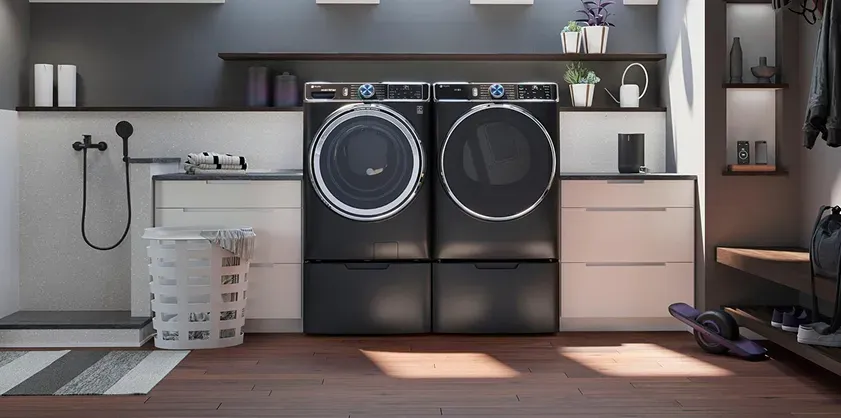
An energy-efficient washer and dryer is designed to clean and dry clothes while using less electricity, water, and detergent than traditional laundry appliances.
Unlike older machines that rely on larger amounts of water and longer drying cycles, modern high-efficiency models use advanced sensors, improved wash motions, and optimized drying systems to maximize cleaning performance while minimizing resource consumption.
According to the U.S. Environmental Protection Agency's ENERGY STAR® program, certified clothes washers use approximately 20% less energy and 30% less water than standard models. ENERGY STAR-certified dryers can also reduce energy use through improved moisture sensing and optimized drying cycles.
Energy-Efficient Washer vs Traditional Washer
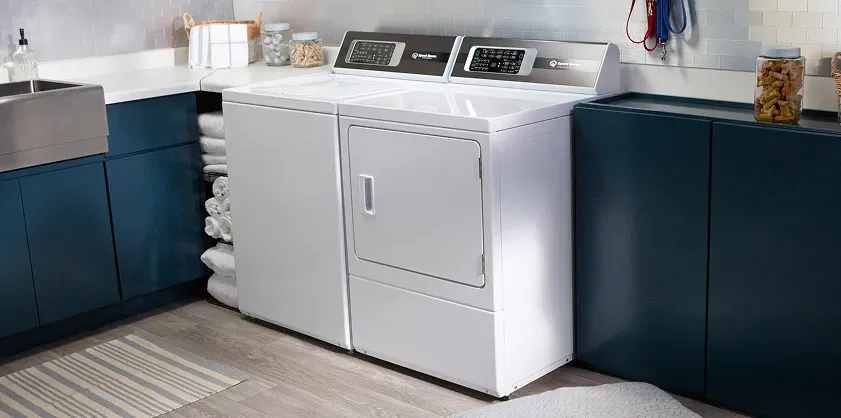
One of the biggest misconceptions is that high-efficiency washers simply use less water. While that's true, today's machines improve efficiency in several ways simultaneously.
| Feature | High-Efficiency Washer | Traditional Washer |
|---|---|---|
| Water Usage | Lower | Higher |
| Energy Consumption | Lower | Higher |
| Spin Speed | Faster | Slower |
| Detergent Required | HE Detergent | Standard Detergent |
| Drying Time After Wash | Shorter due to higher spin speeds | Longer |
| Fabric Care | Improved load sensing | Less adaptive |
Higher spin speeds remove more moisture before clothes enter the dryer, which means the dryer has less work to do. This not only shortens drying times but can also reduce overall household energy consumption.
Why High-Efficiency Laundry Appliances Matter
For many households, laundry is one of the most frequently used appliance categories. Even modest improvements in efficiency can add up over years of ownership.
Benefits include:
-
Lower monthly utility costs
-
Reduced household water consumption
-
Shorter drying times
-
Better fabric care
-
Larger load capacities
-
Improved stain removal technology
-
Smart monitoring and cycle optimization on select models
These benefits are especially valuable for larger households or families that complete several loads of laundry each week.
How Much Energy Does a Washer and Dryer Use?
The dryer, not the washer, is typically the larger energy consumer in a laundry room.
According to data from EnergySage:
-
On average, dryers use 1,500 to 5,000 watts of electricity, depending on the model you have.
-
Using a clothes dryer three times a week will use about 468 kilowatt-hours of electricity per year.
-
It costs an average of $5.53 to run a dryer for a month and $66.41 to run for a year.
Modern efficiency improvements focus on reducing unnecessary drying time through better moisture detection and higher washer extraction speeds.
Estimated Energy Usage Comparison
| Appliance Type | Typical Energy Use | Efficiency Rating |
|---|---|---|
| Older Top-Load Washer | Higher water and electricity use | Lower |
| ENERGY STAR Washer | Lower electricity and significantly reduced water use | Excellent |
| Standard Electric Dryer | Higher energy use | Moderate |
| Dryer with Advanced Moisture Sensors | Lower overall energy use | Excellent |
Do efficient washers save electricity?
Yes. Energy-efficient washers reduce electricity use by using less hot water, optimized wash cycles, and advanced motor technology. Faster spin speeds also remove more moisture before drying, allowing the dryer to operate for less time.
What Features Make a Washer More Energy Efficient?
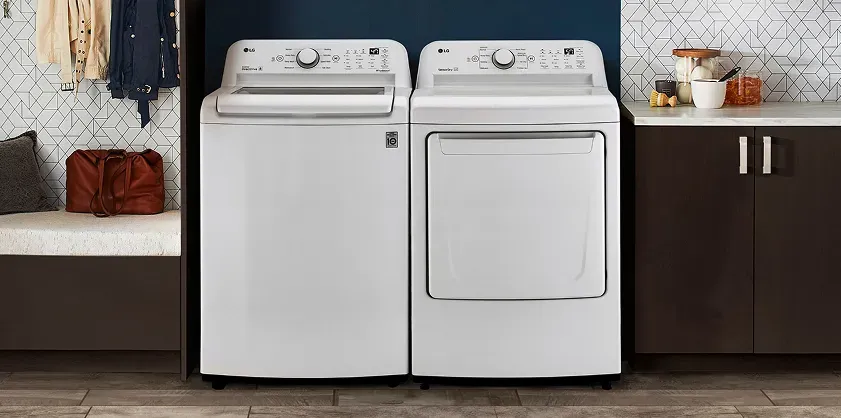
Not every modern washer offers the same level of efficiency. Understanding which features contribute most to lower energy and water use can help you compare models more effectively.
High-Efficiency (HE) Wash Systems
High-efficiency washers use specialized wash actions that clean clothes with significantly less water than conventional machines. Instead of filling the entire tub, many HE models carefully distribute water throughout the load while relying on improved drum movement and detergent performance.
This approach helps reduce both water and energy consumption without sacrificing cleaning effectiveness.
Automatic Load Sensing
Load-sensing technology automatically measures the size of each laundry load and adjusts water levels accordingly.
Rather than filling the tub to a predetermined level, the washer uses only the amount of water needed for that specific load.
Benefits include:
-
Less water waste
-
Lower electricity usage
-
Improved cycle efficiency
-
More consistent cleaning performance
High Spin Speeds
One of the most overlooked efficiency features is spin speed.
Many modern front-load washers spin significantly faster than older top-load models, removing more moisture before clothes reach the dryer.
The result:
-
Shorter drying cycles
-
Lower electricity consumption
-
Less wear on clothing
-
Faster overall laundry completion
This is one reason many homeowners notice efficiency improvements even before considering the dryer's features.
ENERGY STAR® Certification
When comparing appliances, one of the easiest ways to identify an efficient model is by looking for the ENERGY STAR® certification.
Products that earn this certification must meet strict efficiency standards established by the U.S. Environmental Protection Agency and the U.S. Department of Energy.
According to ENERGY STAR, certified washers are independently verified to use less energy and water while maintaining strong cleaning performance.
For homeowners looking to reduce operating costs over the life of an appliance, ENERGY STAR certification is often one of the best indicators of long-term efficiency.
Efficiency Ranking: Which Laundry Features Save the Most Energy?
While every efficient appliance is different, certain technologies generally have a greater impact on reducing long-term energy and water consumption than others.
| Efficiency Feature | Typical Impact on Efficiency | Why It Matters |
|---|---|---|
| ENERGY STAR® Certification | Very High | Meets strict energy and water efficiency standards established by the EPA and U.S. Department of Energy. |
| Automatic Load Sensing | Very High | Adjusts water levels based on load size, reducing unnecessary water and energy use. |
| High Spin Speeds | High | Removes more moisture during the wash cycle, shortening drying times and lowering dryer energy consumption. |
| Moisture Sensor Drying | High | Automatically ends the drying cycle when clothes are dry, helping prevent over-drying and wasted electricity. |
| Eco Wash Cycles | Moderate to High | Optimizes water temperature and cycle duration to improve efficiency while maintaining cleaning performance. |
| Smart Cycle Optimization | Moderate | Some smart appliances recommend or automatically select efficient wash and dry settings based on the load. |
| Delay Start Scheduling | Moderate | Allows homeowners to run laundry during off-peak utility hours where time-of-use electricity rates apply, when available. |
For most homeowners, the biggest contributors to lower utility bills are ENERGY STAR® certification, automatic load sensing, high spin speeds, and moisture sensor drying. Prioritizing these features when shopping for a new washer and dryer can provide the greatest long-term efficiency benefits.
Why Moisture Sensors Make Dryers More Efficient
While washers often receive the most attention, dryers have one of the greatest opportunities for energy savings.
Traditional dryers operate on fixed timers, which can continue running even after clothes are dry. In contrast, many modern dryers use automatic moisture sensors that monitor dampness inside the drum and end the cycle once the desired dryness level is reached.
According to the U.S. Department of Energy, sensor drying can help reduce unnecessary energy use while minimizing wear on clothing by preventing over-drying.
This technology offers several benefits:
-
Lower electricity consumption
-
Reduced drying times
-
Better protection for fabrics
-
More consistent drying performance across different load sizes
By pairing a high-efficiency washer with a dryer that includes moisture sensing technology, homeowners can maximize the overall efficiency of their laundry routine while extending the life of their clothing.
How Much Can an Energy-Efficient Washer and Dryer Save Over Time?
One of the biggest advantages of purchasing an energy-efficient washer and dryer is the potential to reduce operating costs throughout the appliance's lifespan. While actual savings vary based on laundry habits, utility rates, household size, and the age of the appliance being replaced, efficient models are designed to lower both electricity and water consumption with every load.
According to the ENERGY STAR® program, replacing an older clothes washer with a certified model can reduce energy and water use while delivering comparable or improved cleaning performance. For households that do laundry several times each week, these efficiency improvements can add up over years of ownership.
Estimated Long-Term Operating Cost Comparison
| Appliance Type | Estimated Annual Utility Cost* | Estimated 10-Year Cost |
|---|---|---|
| Older Washer & Dryer Pair | Higher | Higher operating costs |
| Standard Modern Laundry Pair | Moderate | Moderate operating costs |
| ENERGY STAR® Washer + Sensor Dryer | Lower | Lowest long-term operating costs |
*Actual operating costs depend on utility rates, appliance usage, cycle selections, and local water costs.
Is an Energy-Efficient Washer and Dryer Worth the Investment?
For many households, yes. While efficient appliances may have a higher upfront purchase price, lower utility consumption, reduced water use, shorter drying times, and improved fabric care can provide meaningful long-term value over the life of the appliance.
Florida Considerations: Why Efficiency Matters Even More
Florida homeowners often do laundry more frequently than households in cooler climates. Warm temperatures, high humidity, outdoor recreation, beach trips, sports activities, and year-round seasonal clothing all contribute to increased laundry volume.
High humidity can also make clothes feel damp more quickly, resulting in additional drying cycles throughout the year.
Choosing an efficient washer and dryer can help offset these demands by reducing water consumption and improving drying performance.
In addition, Florida's electric rates and weather conditions make appliance efficiency an important consideration when replacing older laundry equipment.
Florida Utility Rebates and ENERGY STAR Incentives
While statewide appliance rebate programs change periodically, homeowners should check with their local utility provider for available incentives on ENERGY STAR-certified appliances.
Depending on where you live, rebates or energy-efficiency programs may be available through utilities such as Florida Power & Light (FPL) and Duke Energy Florida.
Many utilities also offer online energy-saving resources that can help homeowners estimate appliance operating costs.
How to Choose the Right Energy-Efficient Washer and Dryer
Selecting the right laundry appliances involves more than choosing the model with the highest efficiency rating. The best option depends on your household size, laundry habits, available installation space, and long-term goals.
Step 1: Choose the Right Capacity
A larger washer isn't always better.
Choose a capacity that matches your household:
| Household Size | Recommended Washer Capacity |
|---|---|
| 1–2 People | Compact to Medium |
| 3–4 People | Large Capacity |
| 5+ People | Extra-Large Capacity |
Oversized appliances used for small loads can reduce efficiency, while undersized models may require additional wash cycles.
Step 2: Prioritize High-Impact Efficiency Features
When comparing models, prioritize features that have the greatest impact on long-term operating costs.
Look for:
-
ENERGY STAR® certification
-
Automatic load sensing
-
High spin speeds
-
Moisture sensor drying
-
Eco wash cycles
-
Steam options (when appropriate)
-
Smart cycle optimization
-
Delay start scheduling
These technologies work together to reduce electricity, water, and detergent usage without compromising cleaning performance.
Step 3: Consider Smart Technology
Many modern laundry appliances include Wi-Fi connectivity and smart-home integration.
Depending on the model, smart features may include:
-
Remote cycle monitoring
-
Cycle notifications
-
Downloadable specialty cycles
-
Maintenance reminders
-
Diagnostic alerts
-
Energy usage monitoring
While these features don't directly reduce energy consumption on their own, they can help homeowners better manage appliance use and maintenance over time.
Which Laundry Setup Is Most Efficient?
The answer depends on your home's layout and your laundry priorities.
Best for Maximum Efficiency
-
Front-load washer
-
High spin speeds
-
Moisture sensor dryer
-
ENERGY STAR® certification
Best for Large Families
-
Large-capacity washer
-
Automatic load sensing
-
Flexible cycle selections
-
Matching high-capacity dryer
Best for Budget-Conscious Buyers
-
ENERGY STAR-certified top-load washer
-
Electric dryer with moisture sensors
-
Simple controls with efficient performance
Best for Smart Homes
-
Wi-Fi enabled washer and dryer
-
Remote monitoring
-
Smart diagnostics
-
App-based cycle customization
Common Mistakes to Avoid
Even an efficient appliance won't deliver its full potential if it's used incorrectly.
Avoid these common mistakes:
-
Purchasing a washer that's larger than your household needs.
-
Using too much detergent in a high-efficiency washer.
-
Ignoring dryer moisture sensor settings.
-
Overloading the washer or dryer.
-
Failing to clean lint filters and washer maintenance cycles regularly.
-
Choosing price alone without considering long-term operating costs.
A little maintenance and proper use can help maximize both efficiency and appliance lifespan.
Shop Energy-Efficient Laundry Appliances at Jetson TV & Appliance
Choosing an energy-efficient washer and dryer is about more than lowering utility bills, it's about investing in appliances that deliver reliable performance, conserve valuable resources, and fit the way your household does laundry every day.
By understanding efficiency ratings, comparing key features, and focusing on long-term operating costs rather than just the purchase price, you'll be better equipped to select a laundry solution that serves your home for years to come.
Whether you're replacing an aging washer, upgrading to a high-efficiency model, or shopping for a complete laundry pair, Jetson TV & Appliance is here to help you make a confident, informed decision. Our appliance specialists help homeowners compare today's latest laundry technology so they can choose a solution that fits their home and lifestyle.
Visit a Jetson appliance showroom in Fort Pierce, Stuart, Vero Beach, Port St. Lucie, and St. Lucie West or browse online to find the right energy-efficient washer and dryer for your home.
Related Readings from our blog:
-
Samsung vs Whirlpool Washers: Which Laundry Brand Fits Your Home?
-
Washer and Dryer Sets: How to Choose the Right Pair for Your Home
FAQs: Energy-Efficient Washer and Dryer Guide
What is the most energy-efficient type of washer?
Front-load washers are generally considered the most energy-efficient option because they use less water and extract more moisture during the spin cycle than traditional top-load models. This reduces the amount of energy required during drying while also helping conserve water. However, many ENERGY STAR-certified top-load washers also deliver excellent efficiency, making the best choice dependent on your household's needs and preferences.
Do energy-efficient washers really clean clothes as well?
Yes. Modern high-efficiency washers are designed to provide excellent cleaning performance while using less water and energy. Advanced wash actions, improved detergent distribution, and optimized cycle programming allow many models to clean just as effectively as traditional machines. Using HE detergent and selecting the appropriate cycle helps maximize cleaning performance.
Is an ENERGY STAR-certified dryer worth it?
For many households, yes. ENERGY STAR-certified dryers often include moisture sensors and advanced cycle management that reduce unnecessary drying time and energy use. Over the life of the appliance, these features can help lower operating costs while protecting fabrics from excessive heat exposure.
Should I replace my washer and dryer if they're still working?
If your current appliances are relatively new and operating efficiently, replacement may not be necessary. However, older washers and dryers typically consume more water and electricity than modern models. If you're experiencing frequent repairs, rising utility bills, or declining performance, upgrading to an energy-efficient laundry pair may provide better long-term value.
Related Articles